In the modern age, wellness is often associated with bright matcha cups and matching yoga clothing sets. But true wellness goes far beyond these digital aesthetics, and well into the realm of lasting physical, mental, and emotional well-being.
Across the Gulf, the wellness economy is reshaping how organizations think about their people, and the cultural shift it represents is influencing workplace expectations across the region. As employees place greater value on work-life balance, mental health, and purpose-driven careers, supporting well-being has become a key driver of engagement, retention, and long-term business performance.
If you are an HR leader in the GCC, here's everything you need to know about the future of workplace wellness—and why implementing a comprehensive well-being strategy can strengthen engagement, retention, and organizational performance.
The Rise of the Wellness Economy
The wellness economy is becoming an increasingly important driver of growth across the GCC, reflecting the region's growing emphasis on healthier lifestyles, preventive healthcare, and quality of life. According to the Global Wellness Institute (2025), the UAE leads the MENA region in sectors including Personal Care & Beauty, Spa Revenue, and Wellness Real Estate, while also emerging as the region's fastest-growing market for Physical Activity, Workplace Wellness, and Preventive Medicine.
This momentum is also evident across the GCC's corporate wellness landscape. According to IMARC Group, Saudi Arabia's corporate wellness market was valued at USD 884.34 million in 2025 and is projected to reach USD 1.53 billion by 2034, growing at a 6.3% CAGR. The trend reflects a broader regional shift toward viewing employee well-being as a strategic investment rather than a workplace perk.
The rise of the wellness economy is also transforming the way organizations approach employee well-being. According to Ken Research (2025), Physical Wellness Programs currently dominate the UAE corporate wellness market, with organizations increasingly investing in gym memberships, fitness initiatives, and health screenings. As wellness becomes more integrated into everyday life, it is also beginning to shape employee expectations and influence how organizations approach workforce well-being.
What HR Leaders Can Take Away
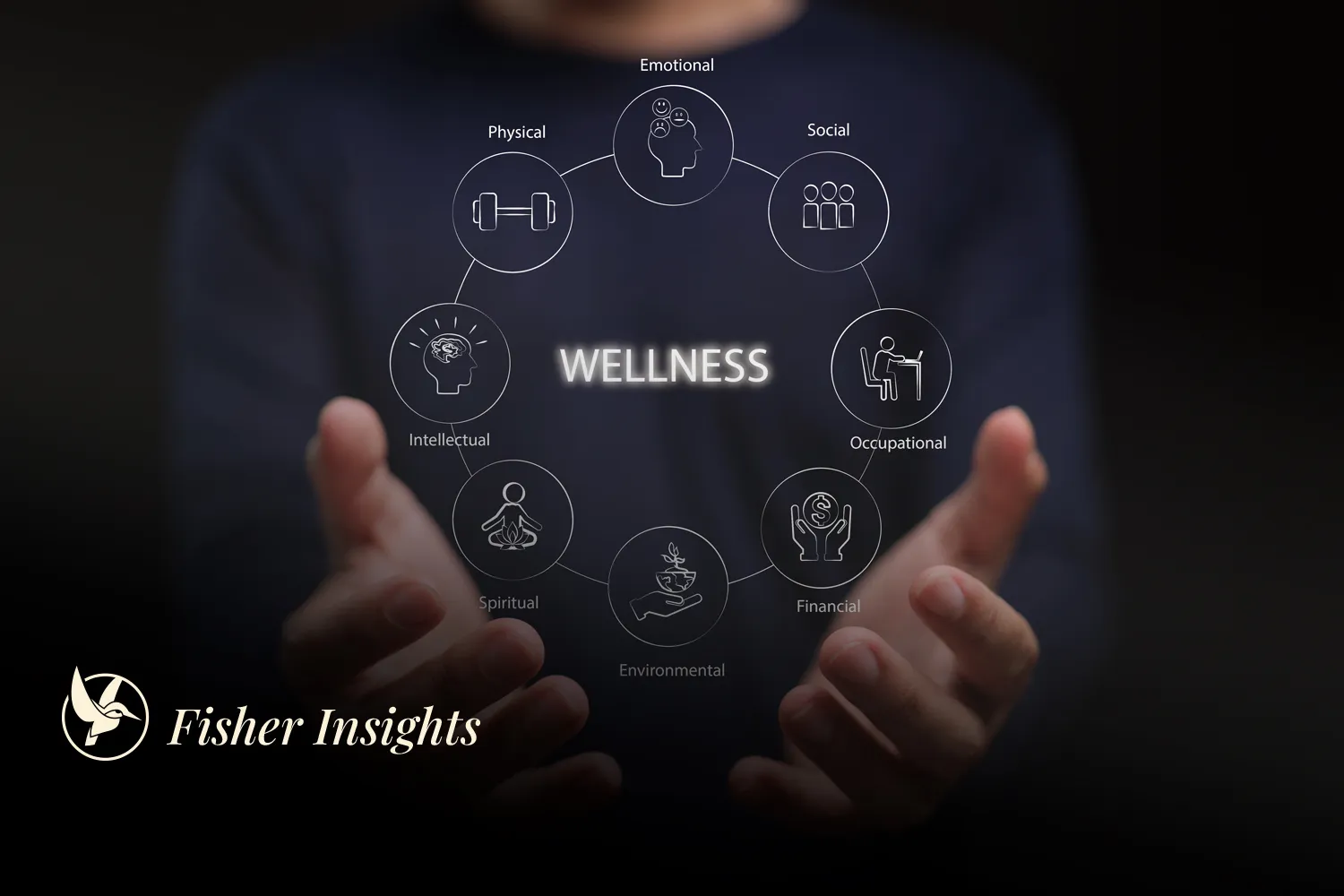
Effective wellness programs can lead to significant improvements in productivity, employee engagement, and overall organizational performance. According to Harvard Business School (2023), organizations achieve the greatest impact when they adopt a holistic approach that supports employees' physical, mental, emotional, and professional well-being.
For HR leaders, this means focusing on initiatives that employees will actually use. Providing access to services such as mental health support, career coaching, childcare assistance, or fitness programs can help employees better manage the demands of work and life. Equally important is ensuring employees are aware of these benefits, feel comfortable using them, and see leaders actively supporting participation.
Finally, effective wellness strategies are built on continuous feedback. Regularly gathering employee input and tracking which programs deliver the greatest value allows organizations to refine their approach, invest in what works, and create a wellness strategy that evolves alongside employee needs.
Looking Ahead
As the GCC wellness economy continues to grow, employee well-being is expected to become an increasingly important component of workforce strategy. What was once viewed as a workplace perk is now emerging as a strategic consideration for organizations seeking to build resilient, future-ready workforces.
For organizations, supporting well-being requires more than offering wellness benefits. It involves creating workplace environments where employees feel supported, connected, and able to perform sustainably over the long term.
Fisher helps organizations strengthen employee well-being through healthcare and retirement plan management, as well as tailored perks and employee welfare programs. By designing benefits that align with both employee needs and business objectives, organizations can enhance engagement, improve retention, and build a healthier, more resilient workforce.
Whether you're refining your benefits strategy or building a comprehensive employee wellness program, Fisher can help you create solutions that support both your people and your business. Get in touch with our team to learn more:
Email us at [email protected].
Global Wellness Institute.(2025, June 17). New Global Wellness Institute report shows UAE wellness economy now worth $40.8 billion..https://globalwellnessinstitute.org/press-room/press-releases/new-global-wellness-institute-report-shows-uae-wellness-economy-now-worth-40-8-billion/
Ken Research. (n.d.). United Arab Emirates corporate wellness market outlook to 2030. https://www.kenresearch.com/united-arab-emirates-corporate-wellness-market
Harvard Business School. (2023, August 2). Do employee wellness programs actually work? https://www.library.hbs.edu/working-knowledge/employee-wellness-programs
IMARC Group. (n.d.). Saudi Arabia corporate wellness market: Industry trends, share, size, growth, opportunity and forecast. https://www.imarcgroup.com/saudi-arabia-corporate-wellness-market